Skip to content

The 7 Secrets You Never Knew About Acupuncture

acu-03092015There’s a certain level of mysticism surrounding the ancient holistic practice of acupuncture. Those who haven’t tried it may view it as some sham practice with no real value or benefit. On the other hand, those who have tried are fully aware of its powerful effects on the human body.

#1) There Are Hundreds of Acupuncture Points Throughout The Body

Acupuncture is typically performed on specific points throughout the body, including points both along the meridian and outside the meridian. The number of acupuncture points continues to change on a regular basis, but the latest estimate is around 695 (not including ear treatments). continue reading »

Posted in Acupuncture | Tagged , , | Comments Off on The 7 Secrets You Never Knew About Acupuncture

Yin & Yang: The Impact Of Connectedness

By Elizabeth Fellows, M.Ac., L.Ac., CHHC

Acupuncturist and Holistic Health Counselor

Director, Center Point Healing

ba577c7b-7b36-406f-9244-b2388ed730e1Most people are familiar with the Taijitu symbol, but how many of us understand its meanings?

In Taoist thought, everything that has ever existed, will ever exist and could potentially exist, are part of the infinite nothingness. The number associated with this nothingness/everything-ness is the number one.

The state of one-ness means that everything is connected. Everything that manifests – including each of us – comes from the same source.

As soon as we identify something, we move into the number two. Now we have something and nothing, and distinctions can be made. The Taijitu symbol is known to us as the Yin-Yang symbol. The Chinese characters for yin and yang are the shady side of the mountain and the sunny side of the mountain, respectively.

Yin and yang are often characterized in our culture as “feminine” and “masculine”, but that definition misses out on the richness contained in this symbol. Yin and yang are opposites, but opposites that are interconnected. There is no way to have one without the other. Each gives context to the other: What would day mean if we didn’t have night? What would our experience of warmth be without cold? To understand one, we must understand the other.

We are made up of both yin and yang elements as well. For example, blood is yin, but the electrical conduction that keeps our heart muscle contracting to pump that blood is yang. Generally speaking, our fluids are yin and the processes that move them throughout the body are yang.

Yin and yang can be found in nature also. Yang is more daylight, the growing season, the flurry of activity in the animal kingdom (new babies being born and hatched), the wind and the heat. The seasons of spring and summer are more yang than autumn and winter.

Conversely, yin is more darkness, the harvest and storing seasons, the hibernation and dying back seen in the plant and animal kingdoms, the rain and the cold.

When we experience disease – dis-ease – it is important to check in with what is happening in nature. Are we living in harmony with the laws of nature, or are we trying to subvert them? It is natural to feel more energized in the spring and summer, perhaps to even need less sleep. However, in the autumn and winter, if we listen to our bodies, they will let us know we need more rest and sleep.

It is also natural to be much more active and to do more vigorous types of exercise in the spring and summer – that feeds our yang energy. However, during autumn and winter – the yin times of the year – we may want to turn to different kinds of exercise that supports our yin energy – like yoga.

As we move into Spring, moving from yin to yang, we may notice the stirring of yang energy. Sometimes that movement shows up as headaches, restlessness and irritability. So even though we are moving rapidly out of winter, it is still really important to support our yin by getting plenty of rest, staying warm, eating well and staying well-hydrated.

Lifestyle changes and acupuncture can help you feel to better by balancing your yin and yang energies.

Posted in Acupuncture | Comments Off on Yin & Yang: The Impact Of Connectedness

5 Powerful Health Effects Of Olive Oil

olive-oil-20
Photo: Daniella Segura
Derived from the fatty liquid of pressed olives, olive is a versatile substance that’s loaded in nutritional value. Just a single tablespoon has 10 grams of monosaturated fat, 1.4 grams ofpolysaturated fat, vitamin E, and other other key nutrients. While most people consume it for its delicious flavor and smooth characteristics, olive oil has surprising health benefits when consumed on a regular basis. continue reading »

Posted in Diet, Wellness | Tagged , , , | Comments Off on 5 Powerful Health Effects Of Olive Oil

Ways To Ring In The Chinese New Year

ring-in-new-year-01Cleaning

Part of celebrating the Chinese New Year (February 19) involves cleaning. Traditionally, homes are cleaned before the New Year, but sweeping and dusting isn’t done until the third day after New Year out of fear that good fortune will be swept away. The floors can be swept, starting by brushing the dust and dirt towards the middle of the house or building. Once the debris is piled into the center, it’s moved to the corners where it remains until the fifth day, at which point it can be thrown out. continue reading »

Posted in Acupuncture, Wellness | Tagged , , | Comments Off on Ways To Ring In The Chinese New Year

2015: Year of The Goat

3250264788_cd7d359095_z2015 is the Year of The Goat in Chinese astrology. Ranking eighth in the long list of animals tied to the Chinese zodiac, people who are born under this sign are said to be calm, mild-mannered, good-hearted, sympathetic, dependable and intelligent. They also prefer to avoid being the center of attention – a trait that’s rare among other Chinese zodiacs. Of course, this is just the tip of the iceberg when it comes to the characteristics of the Year of The Goat. continue reading »

Posted in Acupuncture | Tagged , , | Comments Off on 2015: Year of The Goat

New Year, New You?

New Year … New You?
By Elizabeth Fellows, M.Ac., L.Ac., CHHC
Acupuncturist and Holistic Health CounselorDirector, Center Point Healing
New Year’s resolutions.How many of us vow at the start of each new year that we will “get healthy” – eat better, exercise more, quit smoking and lose that extra weight? After January 1, there’s a noticeable uptick in how crowded the gym is. But in a few weeks, things always seem to regress as we get discouraged or simply feel we can’t keep up with our grand plans for self transformation.

When I work with patients who want to make changes, I first ask them to define what “get healthy” means. We translate that into very specific actions. “Eat better” might mean including one or two more green vegetable servings in meals each day. Or not snacking after 8:00 p.m.. Maybe it’s drinking an additional glass of water. ; “Exercise more” might become a goal of walking five or ten more minutes each day, going to an exercise class one or two times per week, using the stairs instead of the elevator at work. “Losing weight” would mean setting a goal that is realistic, based on an embodied experience of having been that weight as an adult and actually feeling better – not a number selected off a weight table or what one weighed in high school.

Setting achievable goals requires getting very specific.  

In my experience, the more specific the plan, the more likely one is to succeed. The plan should include making small, doable changes that build off each other. Stepping stones. Walking five or ten minutes more for two weeks, then fifteen minutes more the following two weeks.

I also advocate a mentality of adding rather than cutting: Add more fruits and vegetables to each meal instead of taking something away. It’s the same thing with a smoking cessation plan. Adding deep breathing exercises, meditation, short breaks spent outdoors without a cigarette can ease tension and replace some of the underlying reasons that someone smokes in the first place.

Motivation, Support & Embracing Missteps

In addition to a specific plan, people who are able to successfully change habits over the long term have three things: motivation, a support network and the understanding that there will be missteps along the way.

As for motivation, ask yourself why you want to make these changes. Instead of saying, “I want to lose weight so I can be healthy,” make a list of all the things you’ll be able to do without the excess weight. Maybe it’s to have more energy to play with your children or grandchildren, or take up a hobby that has always interested you. And be certain you’re making the change because you want to do it for yourself. If you are working someone else’s plan for you, chances are you won’t stick with it.

Having a strong support network is critical. Enlist a buddy – your spouse, a friend or coworker – who will agree to remind you why you are making these changes. Let that person know that their support will help you be a better spouse, friend, or coworker to them. Let that person (or persons) know you will be calling on them for support when you need some encouragement and acknowledgment, and give them some specific instructions about what you will want: “When I’m too tired to exercise in the morning, I need you to remind me that this walk will help me to feel more energized and to be in a better mood with the children today.”

Finally, understanding that missteps are part of the journey. Studies have shown that the people who are successful long-term with weight loss and other lifestyle changes are the ones who know they will “fall off the wagon” from time to time. They don’t dwell on the fall or use it as an excuse to give up. Take each fall as a lesson and move on. Spending energy berating yourself for the misstep is wasting energy you could be using to get yourself back on track. Knowing this will happen and being prepared for it will allow you to recover more quickly and to keep moving forward toward your goals. Be as loving and compassionate with yourself as you would be to a friend who asks for your help.


Posted in Coaching, Diet, Wellness | Tagged , , , , , , , , | Comments Off on New Year, New You?

Acupuncture Erases Pain: Here’s How It Works

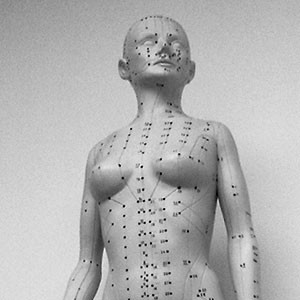
meridian-woman-011215The thought of treating pain by sticking yourself with dozens of tiny needles might sound like a misnomer. After all, wouldn’t this make the problem worse by creating more pain? The holistic practice of acupuncture is a safe and effective solution for relieving pain. Whether it’s chronic or temporary pain, acupuncture has proven effective time and time again at relieving pain. continue reading »

Posted in Acupuncture | Tagged | Comments Off on Acupuncture Erases Pain: Here’s How It Works

Can Acupuncture Really Help You Lose Weight?

belly-2354_1920-12-29-14Obesity remains a top concern among health professionals in the U.S. According to a study published in the Journal of American Medicine (JAMA), more than one third of adults in the U.S. are clinically obese (source). People who fall under this category are more likely to develop heart disease, diabetes, and even certain types of cancer.

While there’s no substitution for exercise and a well-balanced diet, the ancient Chinese practice of acupuncture may promote weight loss in adults battling obesity. Numerous studies have reinforced the belief that acupuncture can aid in weight loss. So instead of embarking on a potentially dangerous “fad” diet, such as an all-liquid lemon detox diet, consider acupuncture treatment to assist in your weight loss efforts.  continue reading »

Posted in Acupuncture, Diet | Tagged , | Comments Off on Can Acupuncture Really Help You Lose Weight?

Juicing vs Blending: The Great Health Debate

green-456839_640Adults who need 2,000 daily calories to maintain a healthy weight should eat 2 cups of fruit and 2½ cups of vegetables per day (a total of nine servings). According to the Centers For Disease Control and Prevention (CDC), however, only 14% of adults consume the recommended daily amount of fruits and vegetables (source). That’s a shockingly low number that should serve as a wake-up call to people everywhere.

If you struggle to achieve to consume the recommended amount of vegetables and fruit, you should consider investing in a blender or juicer. Juicing and blending are both excellent ways to include more fruits and vegetables into your daily diet. Now for the million dollar question: which method is better for your health. continue reading »

Posted in Diet, Wellness | Tagged , , , , | Comments Off on Juicing vs Blending: The Great Health Debate

Acupuncture May Relieve Knee Arthritis

knee-arthritis-01Knee arthritis is a painful condition in which the joints in the knee become inflamed. Depending on the severity of the condition, it may limit an individual’s normal range of motion, forcing him or her to keep body weight off the affected knee. While there’s no known cure for arthritis of the knee, a recent study found herbal acupuncture to effectively treat the symptoms associated with this condition. continue reading »

Posted in Acupuncure | Tagged , , | Comments Off on Acupuncture May Relieve Knee Arthritis
1-301-277-9020