By Elizabeth Fellows, M.Ac., L.Ac., CHHC
Acupuncturist and Holistic Health Counselor
Director, Center Point Healing
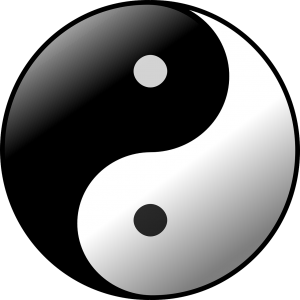 Most people are familiar with the Taijitu symbol, but how many of us understand its meanings?
In Taoist thought, everything that has ever existed, will ever exist and could potentially exist, are part of the infinite nothingness. The number associated with this nothingness/everything-ness is the number one.
The state of one-ness means that everything is connected. Everything that manifests – including each of us – comes from the same source.
As soon as we identify something, we move into the number two. Now we have something and nothing, and distinctions can be made. The Taijitu symbol is known to us as the Yin-Yang symbol. The Chinese characters for yin and yang are the shady side of the mountain and the sunny side of the mountain, respectively.
Yin and yang are often characterized in our culture as “feminine” and “masculine”, but that definition misses out on the richness contained in this symbol. Yin and yang are opposites, but opposites that are interconnected. There is no way to have one without the other. Each gives context to the other: What would day mean if we didn’t have night? What would our experience of warmth be without cold? To understand one, we must understand the other.
We are made up of both yin and yang elements as well. For example, blood is yin, but the electrical conduction that keeps our heart muscle contracting to pump that blood is yang. Generally speaking, our fluids are yin and the processes that move them throughout the body are yang.
Yin and yang can be found in nature also. Yang is more daylight, the growing season, the flurry of activity in the animal kingdom (new babies being born and hatched), the wind and the heat. The seasons of spring and summer are more yang than autumn and winter.
Conversely, yin is more darkness, the harvest and storing seasons, the hibernation and dying back seen in the plant and animal kingdoms, the rain and the cold.
When we experience disease – dis-ease – it is important to check in with what is happening in nature. Are we living in harmony with the laws of nature, or are we trying to subvert them? It is natural to feel more energized in the spring and summer, perhaps to even need less sleep. However, in the autumn and winter, if we listen to our bodies, they will let us know we need more rest and sleep.
It is also natural to be much more active and to do more vigorous types of exercise in the spring and summer – that feeds our yang energy. However, during autumn and winter – the yin times of the year – we may want to turn to different kinds of exercise that supports our yin energy – like yoga.
As we move into Spring, moving from yin to yang, we may notice the stirring of yang energy. Sometimes that movement shows up as headaches, restlessness and irritability. So even though we are moving rapidly out of winter, it is still really important to support our yin by getting plenty of rest, staying warm, eating well and staying well-hydrated.
Lifestyle changes and acupuncture can help you feel to better by balancing your yin and yang energies.
 Cleaning
 2015 is the Year of The Goat in Chinese astrology. Ranking eighth in the long list of animals tied to the Chinese zodiac, people who are born under this sign are said to be calm, mild-mannered, good-hearted, sympathetic, dependable and intelligent. They also prefer to avoid being the center of attention – a trait that’s rare among other Chinese zodiacs. Of course, this is just the tip of the iceberg when it comes to the characteristics of the Year of The Goat.
  The thought of treating pain by sticking yourself with dozens of tiny needles might sound like a misnomer. After all, wouldn’t this make the problem worse by creating more pain? The holistic practice of acupuncture is a safe and effective solution for relieving pain. Whether it’s chronic or temporary pain, acupuncture has proven effective time and time again at relieving pain.
 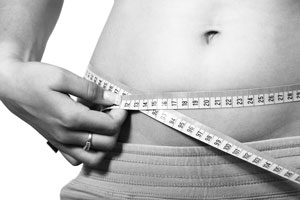 Obesity remains a top concern among health professionals in the U.S. According to a study published in the Journal of American Medicine (JAMA), more than one third of adults in the U.S. are clinically obese (
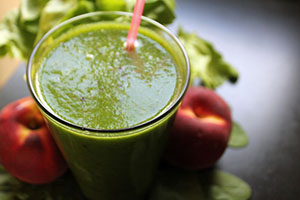 Adults who need 2,000 daily calories to maintain a healthy weight should eat 2 cups of fruit and 2½ cups of vegetables per day (a total of nine servings). According to the Centers For Disease Control and Prevention (CDC), however, only 14% of adults consume the recommended daily amount of fruits and vegetables (
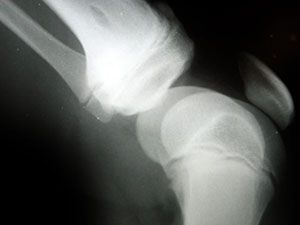 Knee arthritis is a painful condition in which the joints in the knee become inflamed. Depending on the severity of the condition, it may limit an individual’s normal range of motion, forcing him or her to keep body weight off the affected knee. While there’s no known cure for arthritis of the knee, a recent study found herbal acupuncture to effectively treat the symptoms associated with this condition.
 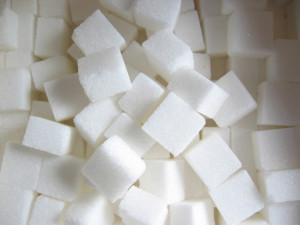 Are you addicted to sugar? If so, you aren’t alone. According to the American Heart Association (AHA), the average American consumes a whopping 89 teaspoons of sugar per day – about 3-4 times more than the recommended daily allowance.


