Inspirational Thought for Today
Hope is here for me every day
We've Moved!
- Center Point Healing7309 Baltimore Avenue
Suite 120
College Park, MD 207401-301-277-9020 Hours
MonClosedTue10:30 am – 6:00 pmWed10:30 am – 6:00 pmThu10:30 am – 5:30 pmFri9:00 am – 4:00 pmSat9:00 am – 4:00 pmSunClosedI work alternate Fridays and Saturdays.
- Testimonials
I heard about Susan at Center Point Healing from a Doctor for natural medicine all the way in Florida. I was in so much pain all over from my neck down. Taking 1,000 mg of Tylenol daily for two months. I have always been a healthy eater. My para thyroid was out of balance and I was told that that it had to be removed surgically. A friend told me about trying Natural medicine and Acupuncture. It has been a
... Read more »Elizabeth is an outstanding acupuncturist. I saw her two years ago for specific physical problems and am continuing to work with her as I address larger life issues. As a movement analyst and teacher, I admire the effective blend of professional skills and personal qualities that Elizabeth brings to her work; and, as a patient, I deeply appreciate the results. Her ability to be warmly receptive and genuinely present with me, and at the same time to also be keenly
... Read more »Elizabeth is WONDERFUL! I have been seeing her for a little over one year. As she promotes on her website, she is present with you and where you are. She loves her practice, is kind and smart and funny and oh-so-caring about your situation without breaching any professional boundaries. Elizabeth has soft hands and a very gentle touch. She is one of the MAJOR BLESSINGS in my life. Her office is a calm oasis and I look forward to EVERY
... Read more »Elizabeth is truly a gem. I have struggled with an auto-immune disease for about six years. After meeting so many “challenging” people in the medical community, she is a HUGE breath of fresh air. She genuinely cares, and she simply knows what she is doing.
I have felt much better, and my “western” doctors have been amazed with my standard progress-according-to-blood-tests. She is not extreme or out there, but securely down to earth and logical. And I can’t emphasize her
... Read more »It is with a very high praise that I recommend Elizabeth Fellows to you, I have had in the past, some experience with acupuncture and I can say that working with Elizabeth has been a pleasure, and her competence in this field has been demonstrated to me in the course of my treatments. She not only has demonstrated a high degree of technical competence but also her willingness to be present during all of my treatments as a fully human
... Read more »I love Center Point Healing. I have been a patient here since April 2007. From the time I first walked through the doors at Center Point Healing, Elizabeth Fellows has made me feel as if I was her only patient. Before she begins treating you , she sits with you each visit from approximately five minutes and discuss your issues, symptoms, your week’s major points, and/or whatever is on your mind. With this information she tailor’s your treatment to what
... Read more »Elizabeth Fellows is a wonderful acupuncturist. She has helped me with several health issues as well as just gaining a feeling of general well-being. My treatment times have been the most relaxing time of the week for me.
S.M., Springdale, Maryland
Elizabeth provides great service. She asks questions to ascertain any medical issues you have and really listens to what you say. Her treatment plan is holistic and I can say that the overall quality of my health has improved. I will continue to use her services.
S.B., Hyattsville, Maryland
Acupuncture has been a godsend to my life. Prior to coming to you for treatment, I was one of the biggest skeptics around. I had been on medication after medication and even tried herbal teas and foot soaks but nothing has compared to the relief that I’ve gotten from acupuncture treatments. Though I have a long way to go, I would rather do it safely and this has proven to be just that. Your positive and caring attitude has taken
... Read more »I have been seeing Elizabeth for over a year. She is a highly intuitive, thoroughly professional practitioner. Her office is warm and inviting. Her acupuncture treatments have served me well in many ways, physically and emotionally.
There have been a number of immediate improvements to my well being along the way, and the long term benefits have been remarkable. I would highly recommend her.
P. S., Hyattsville, Maryland
Like us on Facebook!
Follow Us!


Latest Articles:
- • Outdoor Activities Best Enjoyed During Spring •
- • The Health Benefits of Spring Cleaning •
- • Delicious Recipes Using Spring Fruits and Vegetables •
Health Well News
Auricular Acupuncture: What it is and why is everyone talking about it?
Traditional Chinese Medicine (TCM) is a medical system that dates back nearly 3,000 years. Auricular acupuncture was first mentioned around 500 B.C. in the Yellow Emperor’s Classic of Internal Medicine, which is the equivalent of the Bible for TCM practitioners. However, the method in which auricular acupuncture is practiced today is actually based upon discoveries that occurred in France in the 1950’s. Modern auricular acupuncture comes from the work done by Dr. Paul Nogier.

Auricular acupuncture is the stimulation of the external ear for the diagnosis and treatment of health conditions. These health conditions may be anywhere in the body. The acupuncture points can be simulated manually, with an acupuncture needle, with a laser, magnets or ear seeds. Regardless of the means of stimulation, auricular acupuncture can be a very powerful addition to regular acupuncture treatments.
The current form of auricular acupuncture came about after Dr. Paul Nogier noticed a scar on the upper ear of some of his patients. When he inquired about the scar, he found out a local practitioner had been treating his patients for sciatica pain and she was cauterizing this specific area on the external ear to relieve their low back pain. Dr. Nogier conducted similar tests on his own patients and found their low back pain was also relieved. He tried using other means of stimulation as well, such as acupuncture needles and found it to be just as effective as cauterizing the area.
Dr. Nogier theorized that if an area of the upper external ear is effective on treating low back pain, then perhaps other areas of the ear could treat other parts of the body. His hypothesis led to the model used today for teaching auricular acupuncture. The ear is thought to represent the whole anatomical body. However, it is upside down in orientation, so the head is represented by the lower ear lobe, the feet are at the top of the ear and the rest of the body is in between. The Chinese actually adopted Dr. Nogier’s model of auricular acupuncture in 1958.
Auricular acupuncture is considered a microsystem, meaning one part of the body, the ear in this case, is a microcosm of the whole body. Microsystems also appear on foot and hand reflexology, facial acupuncture and scalp acupuncture.
This system has been practiced in Asia, albeit in a different form, for over 2,000 years. Auricular acupuncture has been used in Europe for the past 40 to 50 years, and it is finally starting to take root in the United States. Over the past five to 10 years, the U.S. military has started using auricular acupuncture for its personnel in the battlefield.
This form of battlefield acupuncture is used to help soldiers deal with PTSD (post-traumatic stress disorder) brought on by being in combat.
Since auricular acupuncture allows for every part of the external ear to connect through the microsystem to every part of the body, many conditions can be treated using only a few very tiny needles. Not only can PTSD be treated using auricular acupuncture, but also things like chronic pain, drug addiction, high blood pressure and nausea. And for those who are a little needle-shy, auricular acupuncture is a great way to treat them, because it uses smaller-gauge needles, so small in fact, they’re barely visible. Auricular acupuncture can be used alone or in conjunction with other forms of acupuncture.
7 Ways Acupuncture Can Help With Running Injuries
Running is something that people do to keep their bodies healthy. But as with any physical activity, there can be pitfalls to avoid. When it comes to runners, things like sprains, strains, aches and pains are all too common. And they usually involve the ankles, knees or legs because those are the tools that runners use.
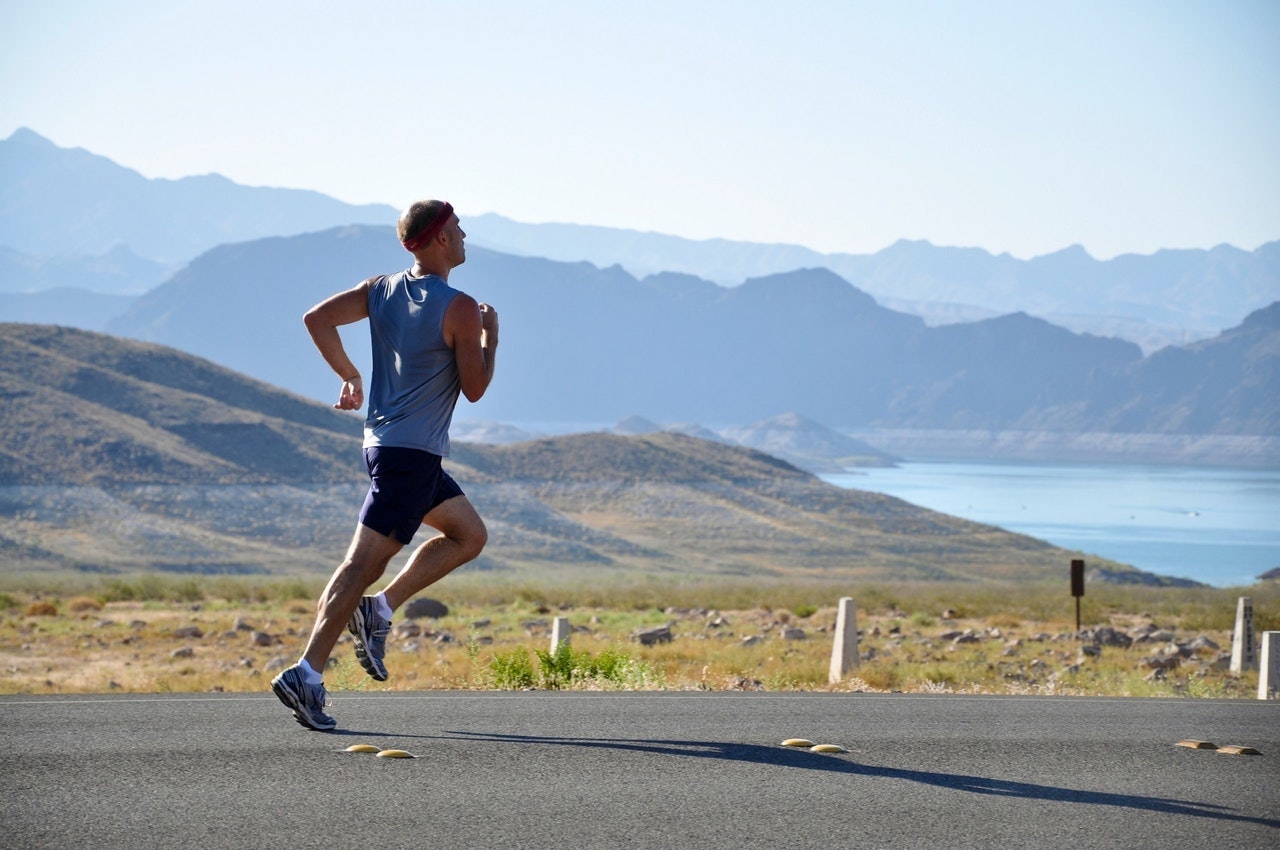
For most minor running injuries, some rest and heat or ice can be helpful. But occasionally there are issues that just don’t seem to go away and can impede a runner’s ability to train and get back on track. Things like plantar fasciitis, pateliofemoral syndrome (aka “runner’s knee”) and sciatica are all issues that may take more than just some rest to correct. This is where modalities like acupuncture can be very beneficial.
Acupuncture is a component of Traditional Chinese Medicine (TCM) that involves inserting hair-thin needles into the skin at specific points, which when stimulated, promote the body’s natural ability to heal itself. And while most runners seek out acupuncture as a way to treat an ache, pain or injury, many find that regular acupuncture treatments can actually improve their running by restoring balance and energy throughout the body. Here are seven ways that acupuncture can help with running injuries.
Acupuncture reduces inflammation. Inflammation is
common to running injuries. Inflammation is typically
caused by trauma or repetitive motion to the area. Inflammation occurs when cortisol levels are elevated and studies show that acupuncture can decrease cortisol levels very effectively, thus decreasing inflammation.
Acupuncture decreases swelling. Swelling is another common symptom of running injuries. It occurs when increased movement of fluid and white blood cells rush to the area that is inflamed. The swelling can remain for several days. But specific acupuncture points can actually help decrease the swelling, restoring proper fluid circulation to the injured area, also decreasing
the time it takes to heal.
Acupuncture promotes circulation. When the injured area is swollen and inflamed, proper circulation of blood and other bodily fluids will be limited. Specific acupoints have been shown to increase circulation throughout the body. And by placing needles around the affected area, it signals the body to send healing to that targeted area.
Acupuncture can correct muscle imbalances. When muscles become imbalanced, they can cause a chain reaction that results in muscle, tendon and joint pain. By utilizing motor points in the affected muscles, a release is elicited and the muscle can return to its correct position, which decreases stress on the injured area.
Acupuncture improves sleep. For runners, with or without injuries, sleep is vital. In order to be strong as a runner, the body needs time to heal in between each run. The CDC reports that nearly 10 percent of all Americans suffer from chronic insomnia and this includes runners. The benefit of acupuncture versus a sleeping pill is that acupuncture is customized to the person, treating the root cause and allowing the runner to get the quality sleep they need.
Acupuncture relieves pain. Runners tend to be very health conscious and taking pain relievers can come with some not so healthy side effects that can impede the runner’s ability to perform. Acupuncture relieves pain very effectively with no negative side effects. Acupuncture helps the nervous system produce painkilling chemicals and studies have confirmed this, which is why the World Health Organization endorses acupuncture for pain relief.
Acupuncture can relieve chronic stress. Stress of any kind, emotional or physical, can undermine the performance of a runner and cause all kinds of health issues. A recent study at Georgetown University showed that acupuncture suppressed stress-related hormone production and the effects lasted for up to four days. Think about that when you’re training.
If you’re one of the many weekend warriors and backyard athletes that use running as your release, then having a licensed acupuncturist on speed dial, might be a great way for you to stay healthy. Give it a try. You might be pleasantly surprised how amazing you feel in as little as one to
two treatments.
Acupuncture and Fatigue
Fatigue is defined as extreme tiredness, usually resulting from physical or mental exertion or illness. For most people, their bodies are programmed to be tired at night and alert during the day. However, work, family and other responsibilities frequently require that we ignore these innate programs and interrupt our natural sleep patterns. Statistics show that nearly 43 percent of all people in the workforce report being fatigued on a daily basis. This can ultimately lead to illness, accidents and even death. Fatigue is no joke and needs to be addressed.

Conventional medicine treats chronic fatigue with prescription medications, and while this may work for some, for many others it becomes an addiction. Traditional Chinese Medicine (TCM) offers a better alternative. TCM is a medical system that has been around for nearly 3,000 years. It utilizes multiple modalities to treat fatigue, including acupuncture, moxibustion, herbal formulas and nutrition. To determine the right treatment, a diagnosis must be made first.
TCM diagnosing is quite different from conventional medicine. Eastern Medicine considers the whole person when diagnosing and treating. TCM looks at the patient holistically, considering all aspects, including the mind, the body and the environment of the person. Diagnosis of a person includes inspection and observance of the expressions, colors, appearance, smells and any idiosyncrasies that may be present.
TCM also looks at the patient’s tongue and pulses on both wrists. These two practices are the primary diagnostic tools used in TCM. The tongue and pulses can reveal quite a bit of information about what is going on internally. Different areas of the tongue correspond to body systems and energetic pathways. For example, the tip of the tongue can show irregularities related to the heart and the mind. The rear of the tongue can show irregularities related to the urinary bladder and kidneys and is associated with the emotion of fear. The pulse is also broken down into six locations, three on each side, all of which correspond to a body system and the related energetic pathway.
With fatigue and TCM, there are multiple possible diagnoses, including energy deficiency, blood deficiency, phlegm / dampness accumulation, liver energy stagnation, etc. Each one of these patterns has their own unique symptoms, but they all have one thing in common: feelings of fatigue. While there is not enough time to discuss all of the aforementioned patterns, some of the symptoms can include poor digestion, dizziness, shortness of breath, vision issues, mood swings, irritability, depression, chronic coughing, sinus conditions, poor concentration and mental fogginess.
The modalities mentioned before, such as acupuncture, can help bring balance back into the body, thus correcting the symptoms and alleviating fatigue, over time. Moxibustion can warm the energetic pathways and help remove excessive phlegm accumulation in the body. Herbal formulas can treat any host of symptoms, as can proper nutrition, all of which will most likely be used by the seasoned TCM professional.
If you or somebody you know is suffering from fatigue, contact a licensed acupuncturist in your area. They can walk you through the diagnosis and treatment process and help you get back on the road to recovery.